Products 1
Plastic Bags
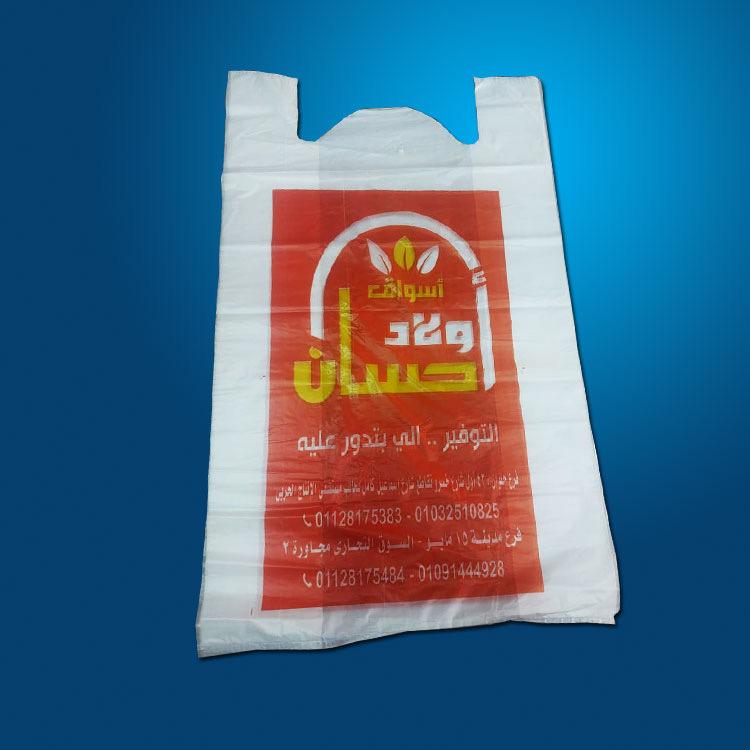
The company is constantly striving to develop the plastic bag industry.
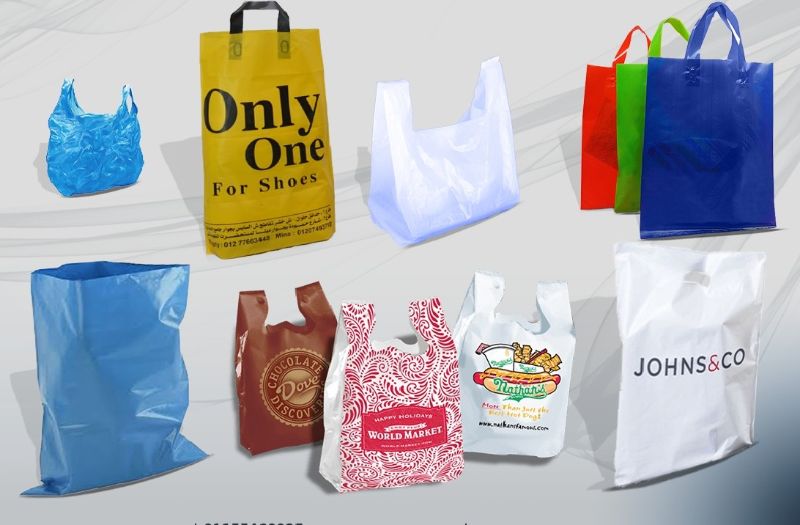
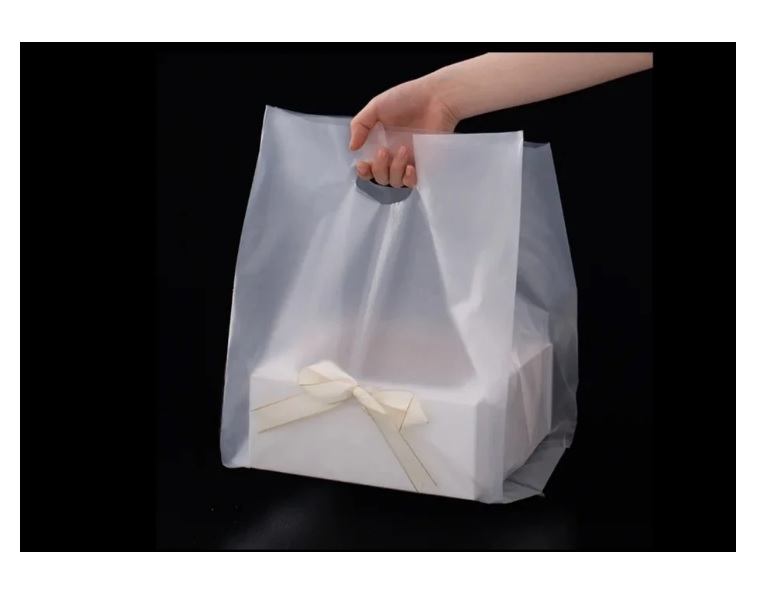
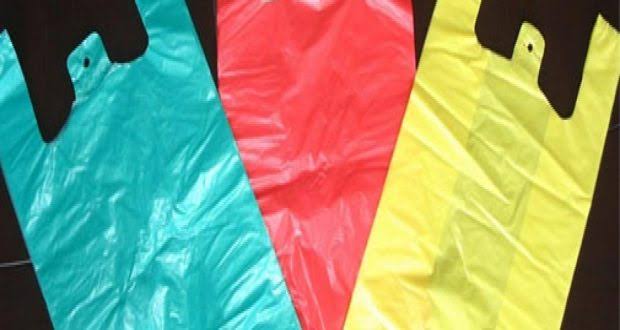
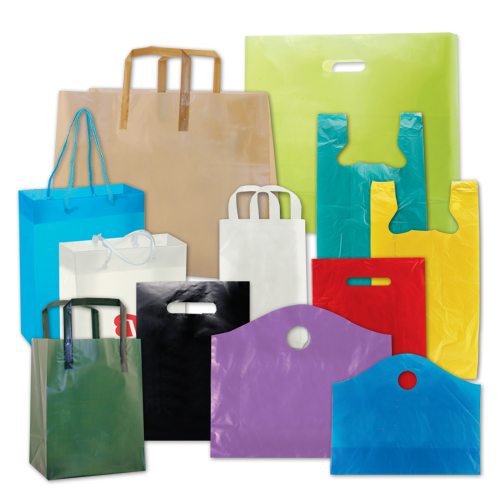
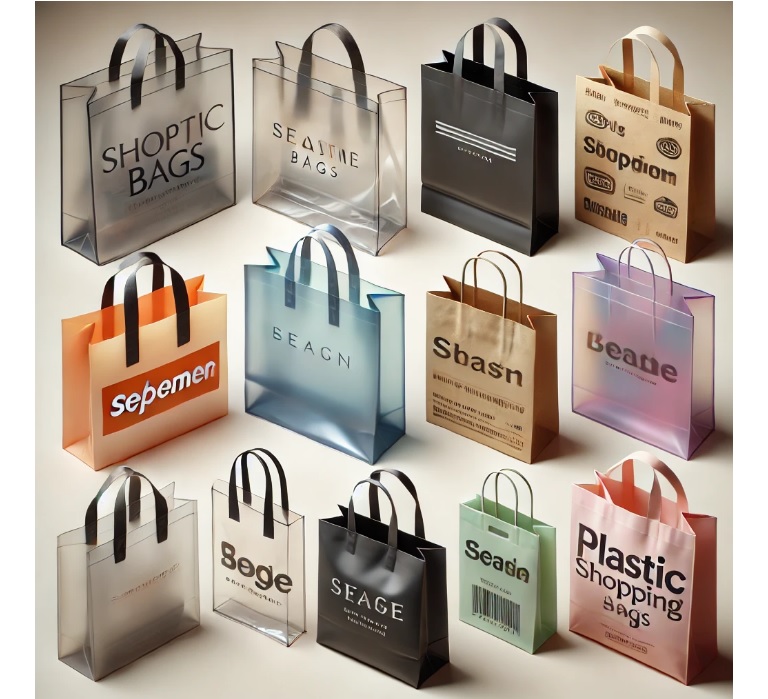
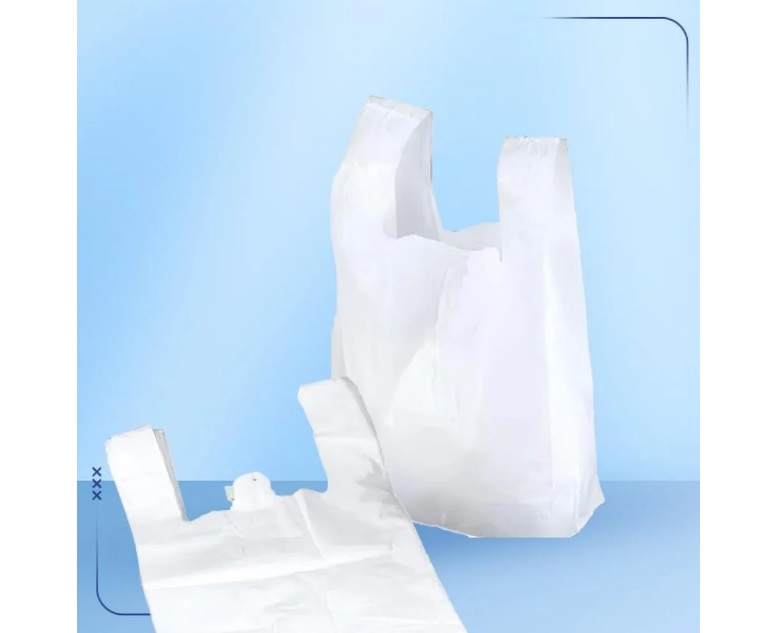
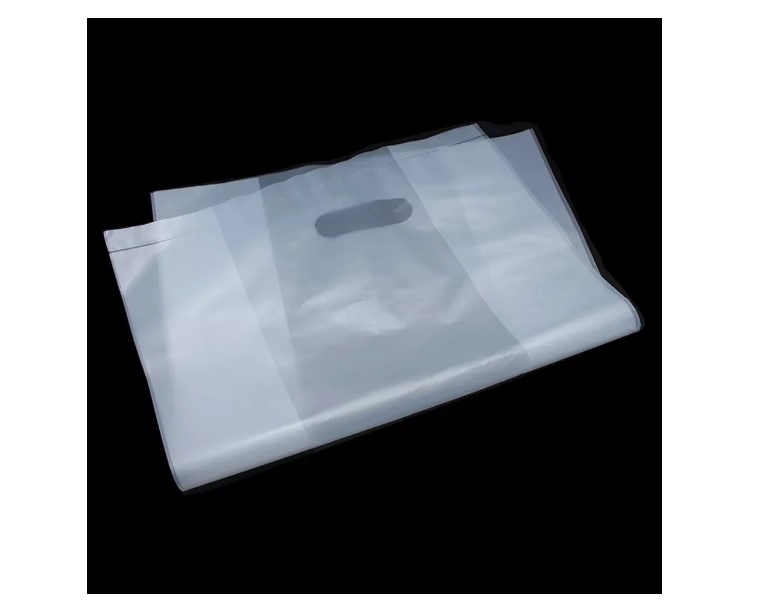
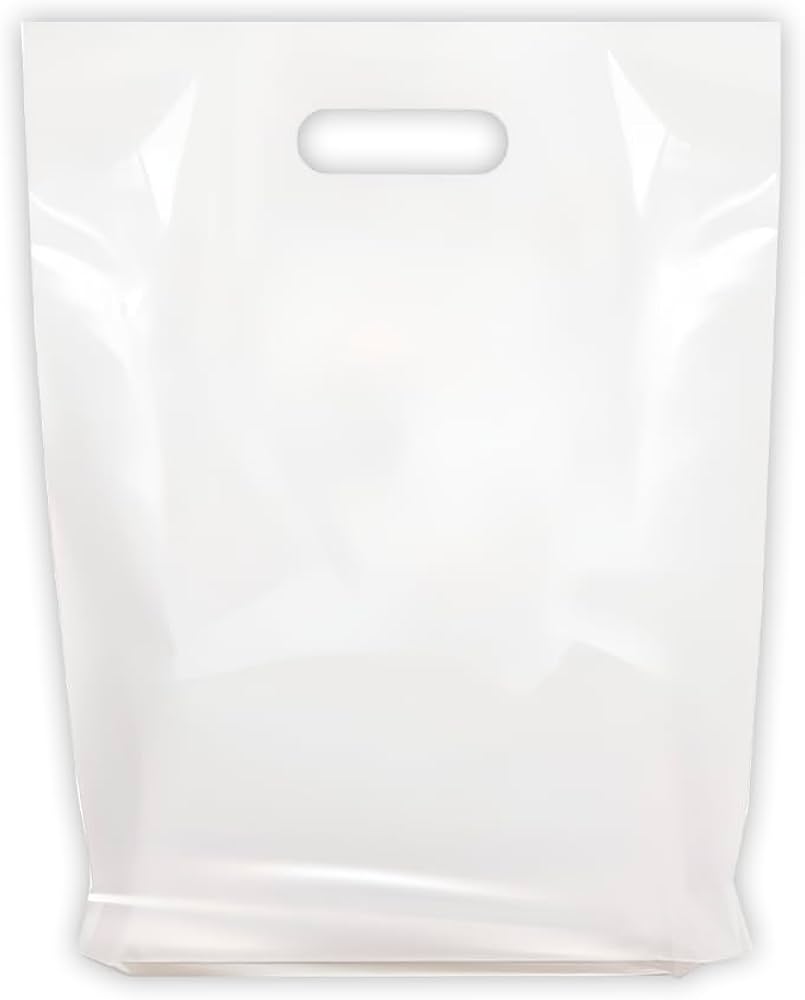
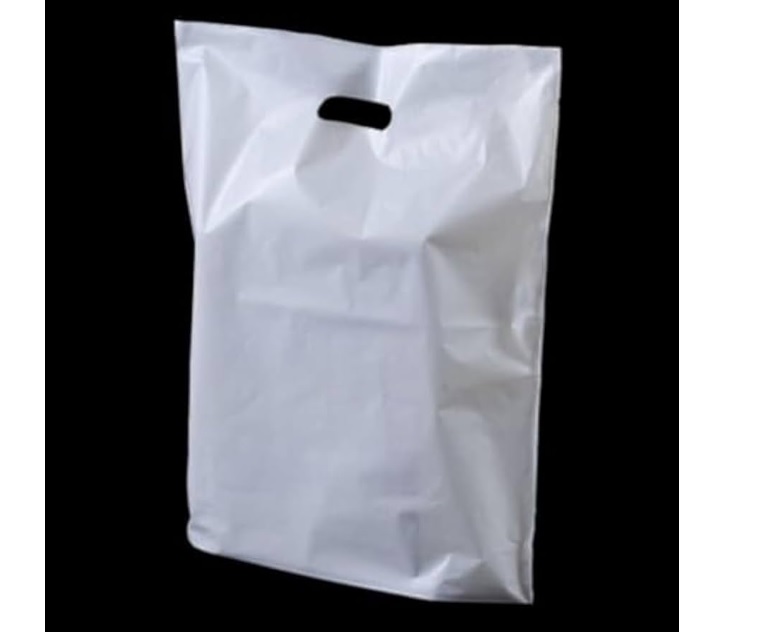
Plastic bags are larger than bags and are usually designed to carry more weight and last longer. They are mainly used for shopping, travel, or storing products.
Types of Plastic Bags:
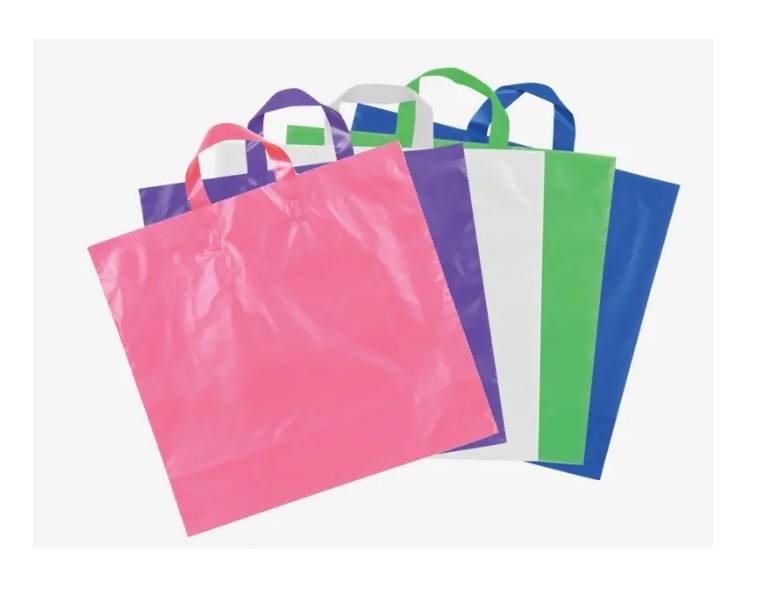
Reusable Bags: These are made of strong plastic materials and can be used multiple times, such as large shopping bags.
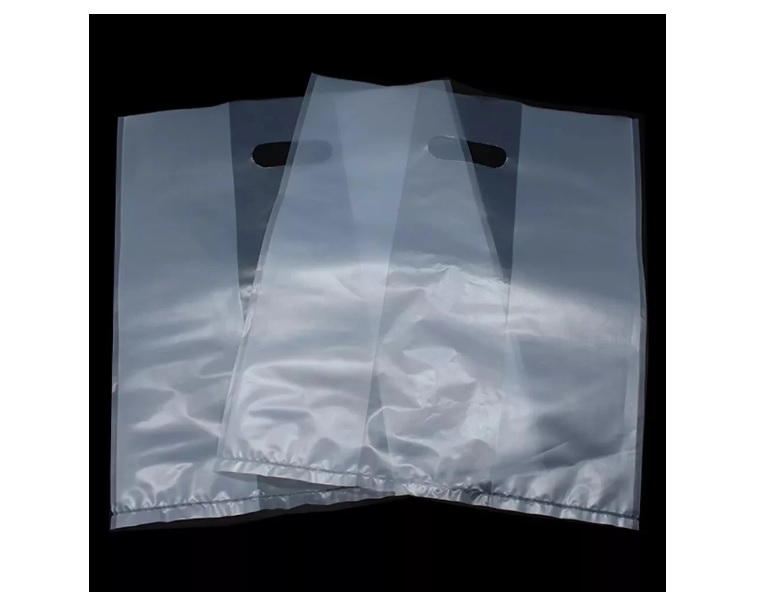
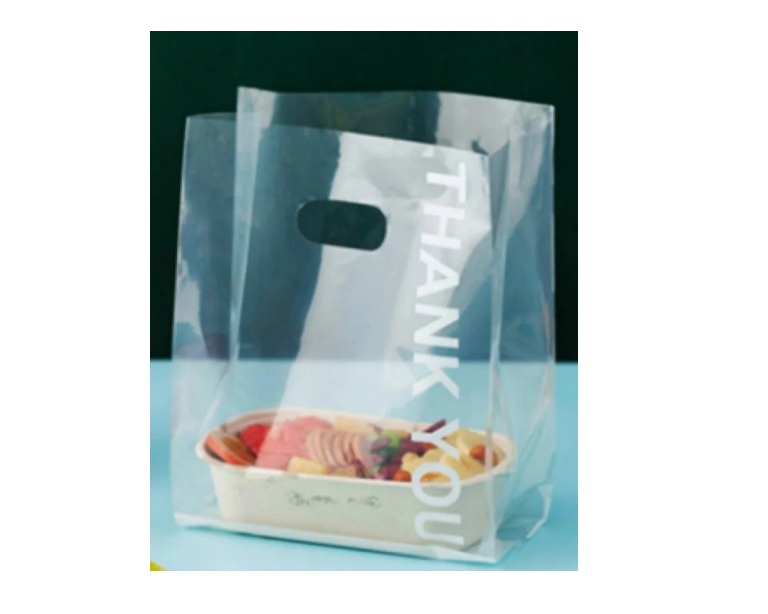
Transparent Bags: These make the bag’s contents easier to see and are used for activities such as travel or sporting events.
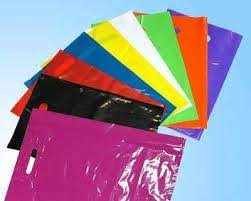
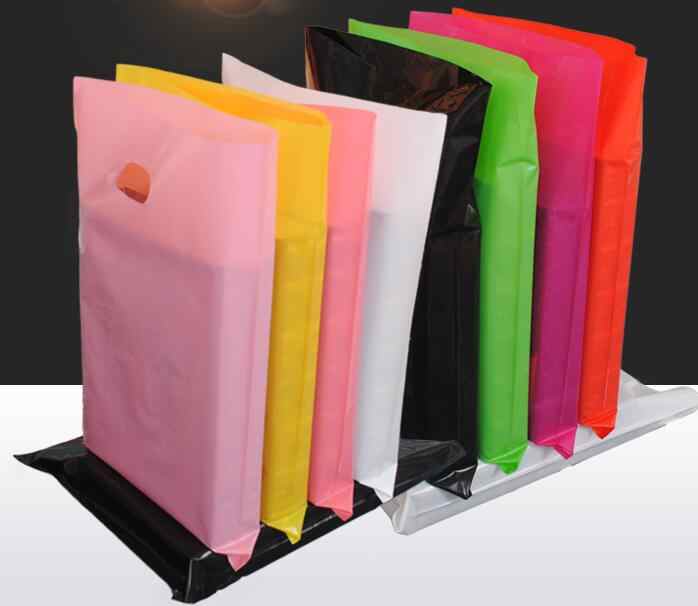
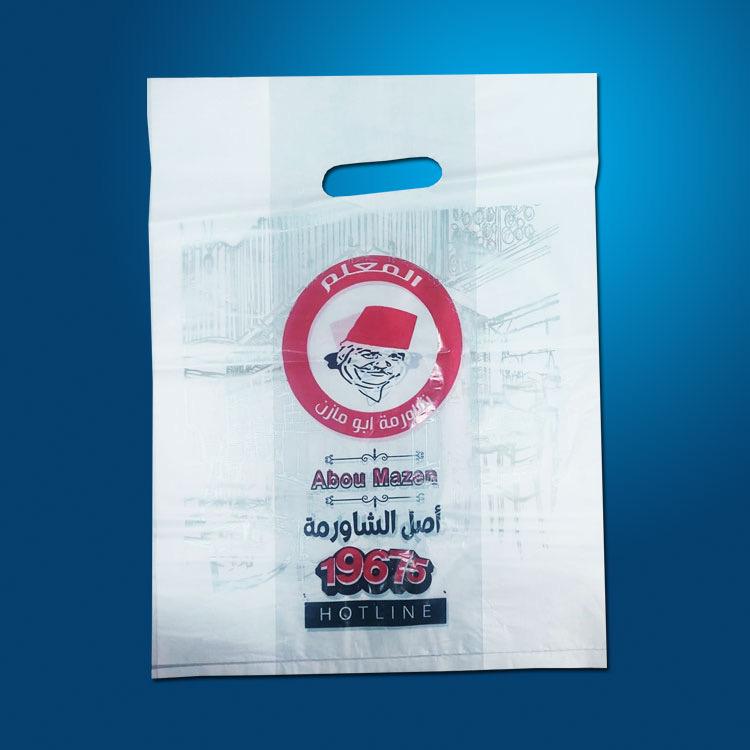
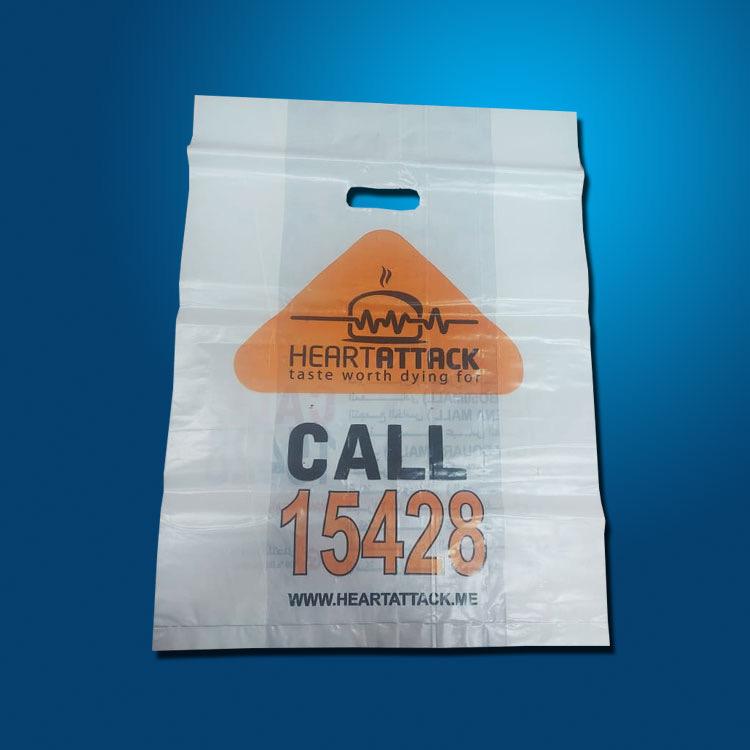
Colored and Design Bags: These are made in different colors and designs to attract attention or for use as promotional bags.
Uses of Plastic Bags:
Shopping: For packaging store purchases.
Travel and Storage: For storing clothing or personal items.
Promotion and Advertising: Some companies use plastic bags as promotional tools bearing logos or advertisements.
Advantages of Plastic Bags:
Low Cost: Plastic bags and bags are economical compared to other materials.
Durability: Can handle a wide range of weights and materials.
Easy Storage: Plastic bags can be easily folded and stored without taking up much space.
Printable: Logos and designs can be printed on plastic bags for marketing or promotion.
Flexibility: A variety of types are available to suit users’ needs.
Master Batch
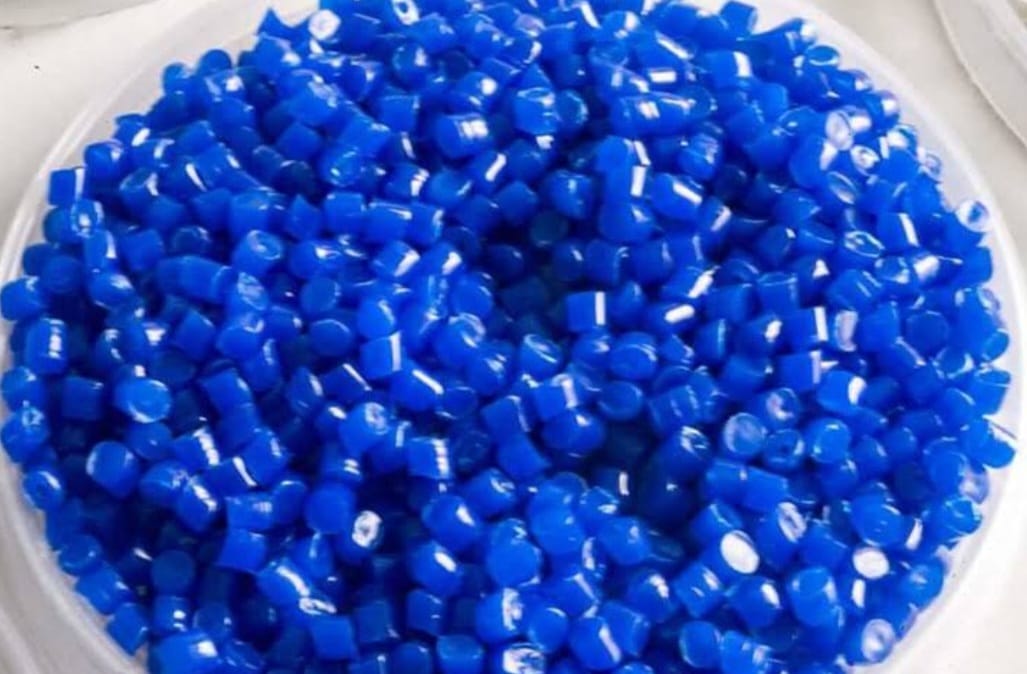
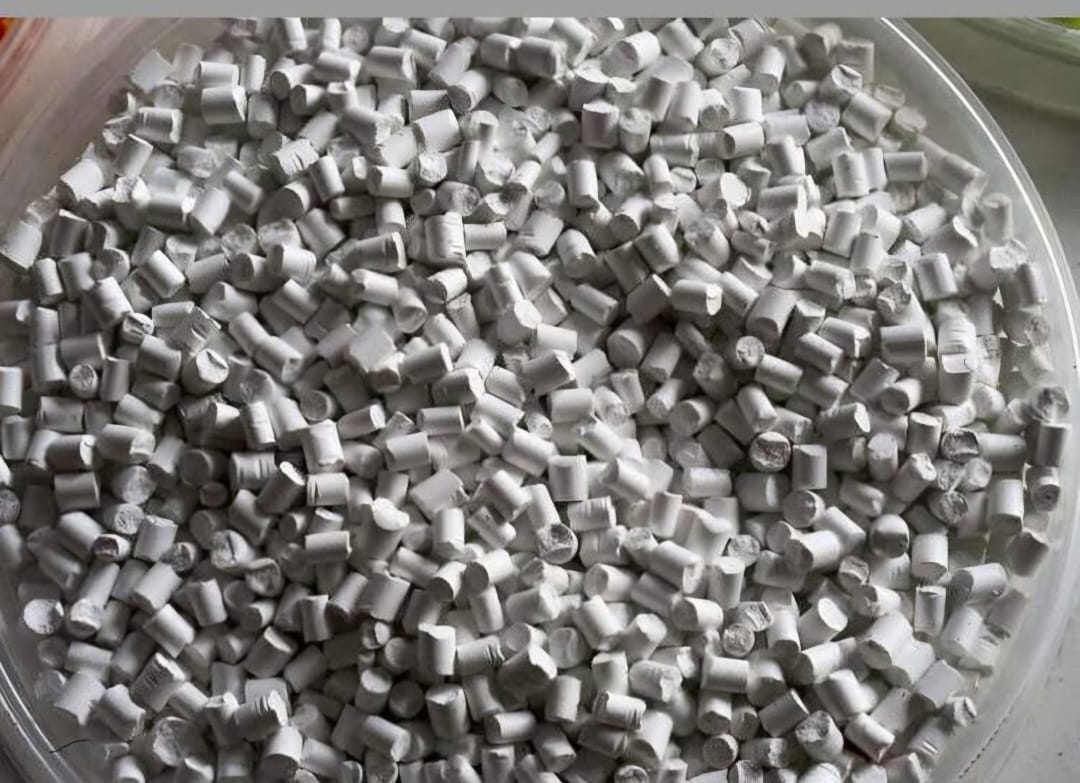
A term used in the plastics industry that refers to a compound mixture containing additives such as dyes, preservatives, chemical enhancers, or any other substances added to the plastic to improve its properties. Master Batch is manufactured as a concentrated mixture of additives and is used to improve the performance of the plastic or change it in specific ways.
Master Batch Components:
1. Base Materials: The plastic with which additives, such as polymers, are mixed.
2. Additives: Such as dyes, auxiliary chemicals, enhancers (such as antioxidants, UV-resistant materials), and others.
Main Types of Master Batch:
1. Color Master Batch: Contains pigments or dyes to change the color of the plastic.
2. Additive master batch: Contains additives to improve plastic properties such as heat, oxidation, or UV resistance.
3. Enhancement master batch: Enhances certain plastic properties such as durability or transparency.
Uses:
• Plastic film manufacturing.
• Manufacturing transparent or colored plastic materials.
• Industries requiring specific plastic properties, such as heat resistance or UV resistance.
Master batch facilitates the plastic manufacturing process and improves its properties in an economical and efficient manner.


Oriented Bags
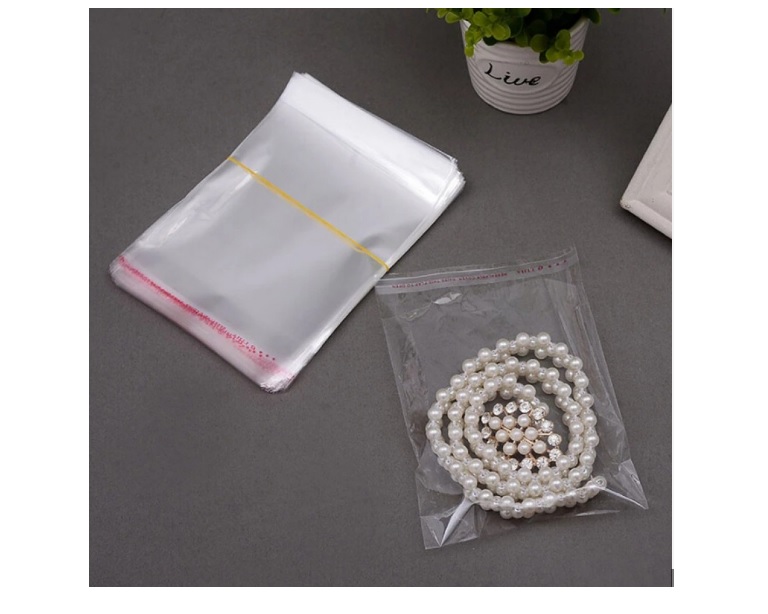
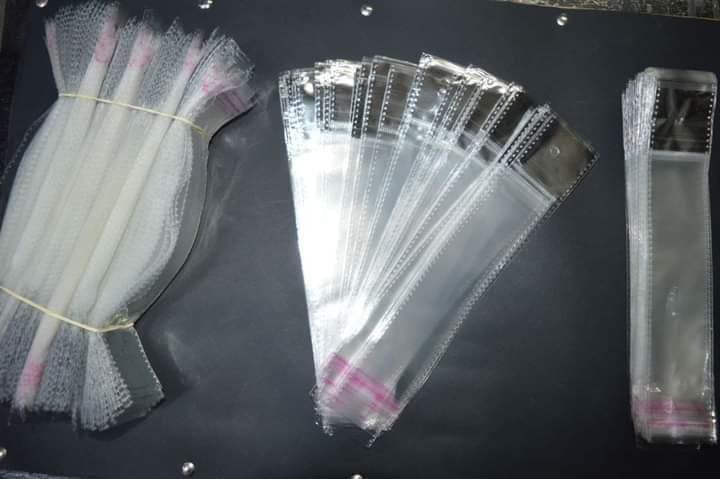
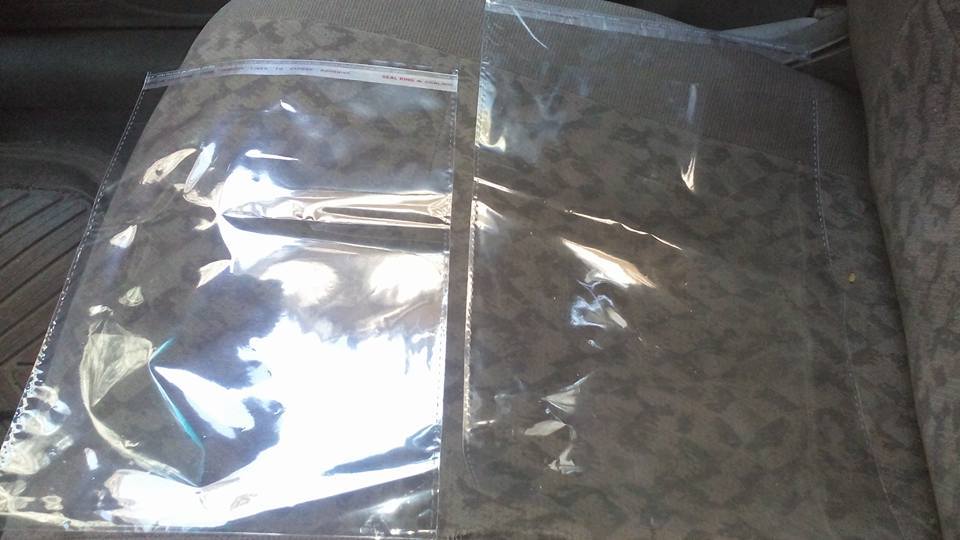
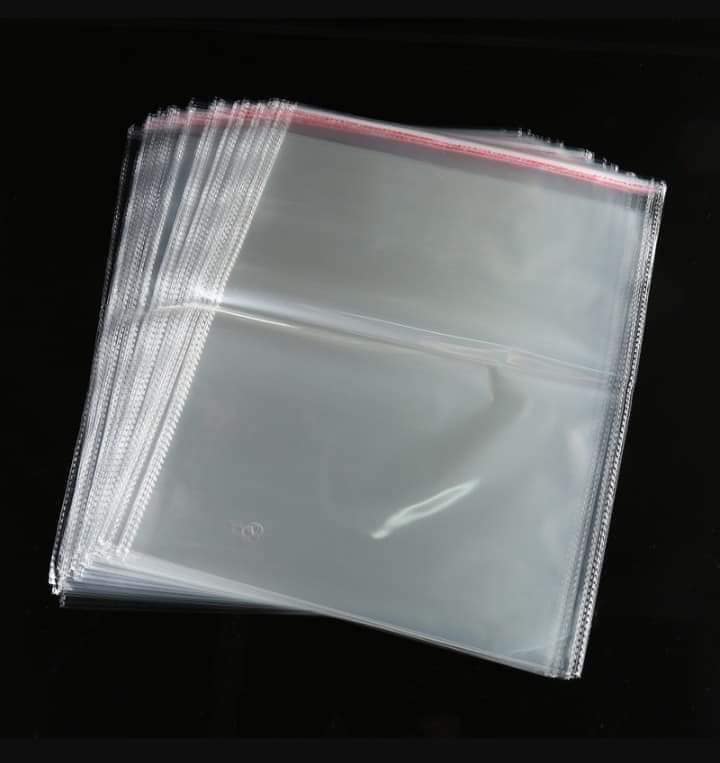
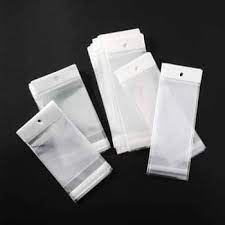
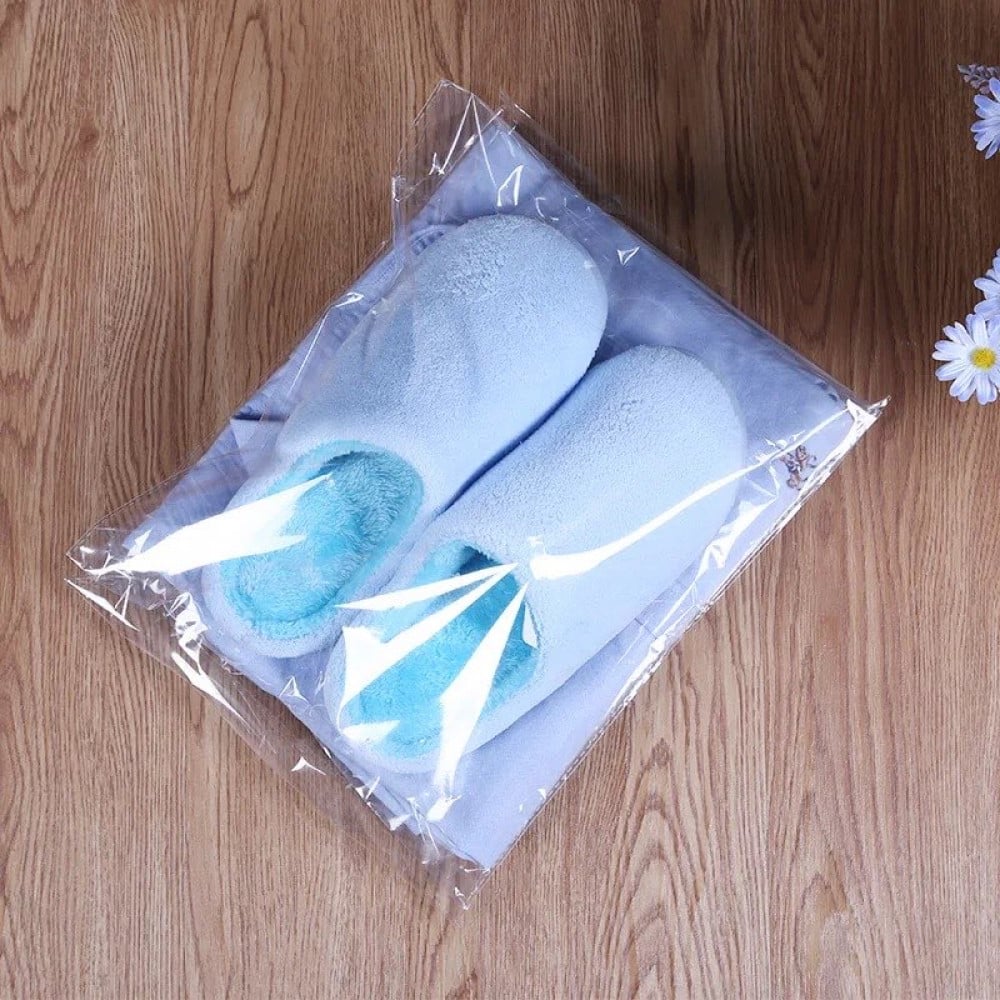
A type of plastic bag manufactured from materials based on molecular orientation technology, such as BOPP (Biaxial Oriented Polypropylene). These bags are characterized by their transparent or semi-transparent appearance, self-adhesive, printable, high strength, and light weight
Characteristics of Oriented Bags:
High Transparency: Provides excellent visual clarity of the contents inside the bag.
Durability: Highly resistant to tearing and punctures.
Flexibility and Lightness: Lightweight and easy to use.
Excellent Printing: Supports high-quality printing, making them ideal for commercial packaging.
Moisture Resistance: Prevents moisture penetration and preserves products for longer.
Sustainability: It can be recycled in some cases, making it a relatively environmentally friendly option.
Uses of Orient Bags:
Packaging food products (such as sweets and baked goods)
Packaging clothing or other commercial products.
In industries that require high-transparency product display.
Natural Cellophane Bags
Cheaper than Orient and perform the functions of Orient
Characteristics of Natural Cellophane Bags:
Biodegradable: They naturally decompose in the environment within a short period of time without leaving harmful effects.
High Transparency: Provides excellent optical clarity, making it ideal for packaging products that need to stand out.
Moisture Resistant: They are sometimes treated to be moisture and grease resistant.
Food Safe: They are used for food packaging because they are free of harmful chemicals.
Versatile: They are used for packaging foods, gifts, and various industries.
Uses of natural cellophane bags:
They are used in packaging sweets and chocolates.
In packaging baked goods, fruits, and vegetables.
In cosmetics and gifts.
In packaging organic and sustainable products.
The difference between natural cellophane and plastic:
Cellophane is made from a natural source (cellulose), while plastic is based on petroleum derivatives.
Cellophane decomposes more quickly, making it a more sustainable option.
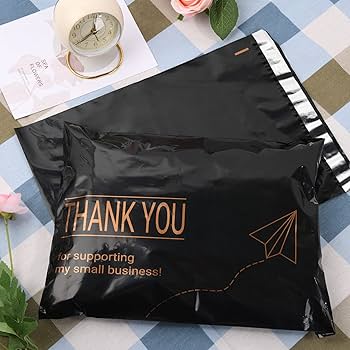
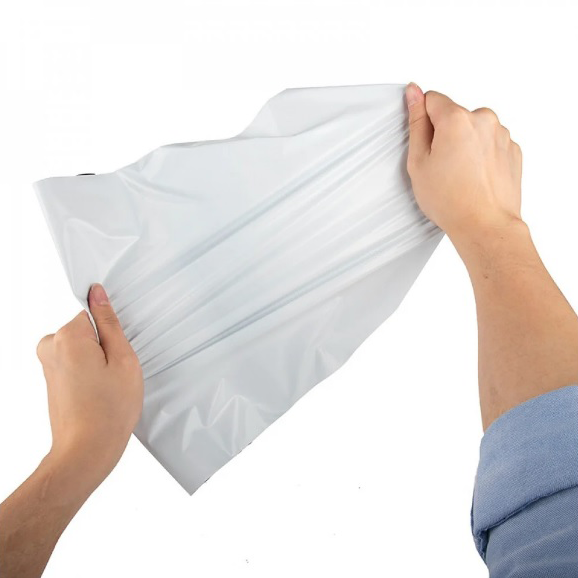
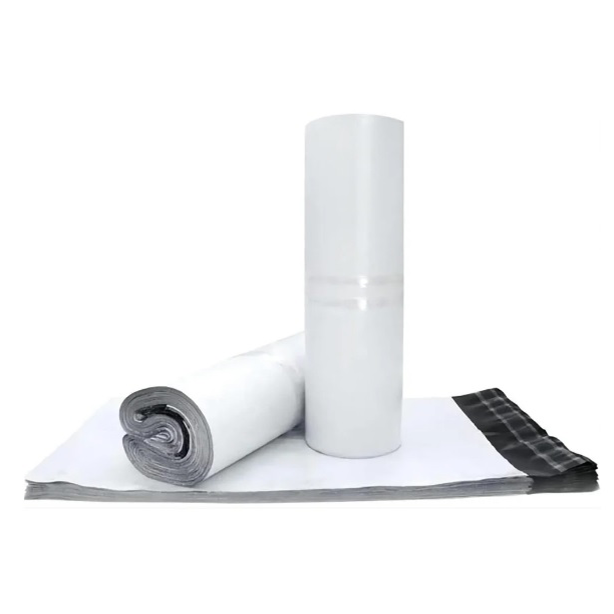
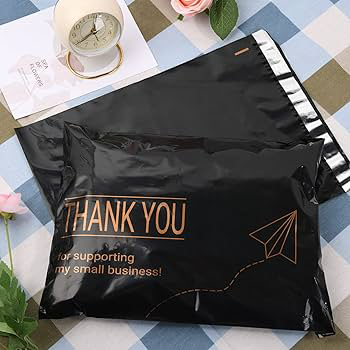
Shipping and Parcel Bags
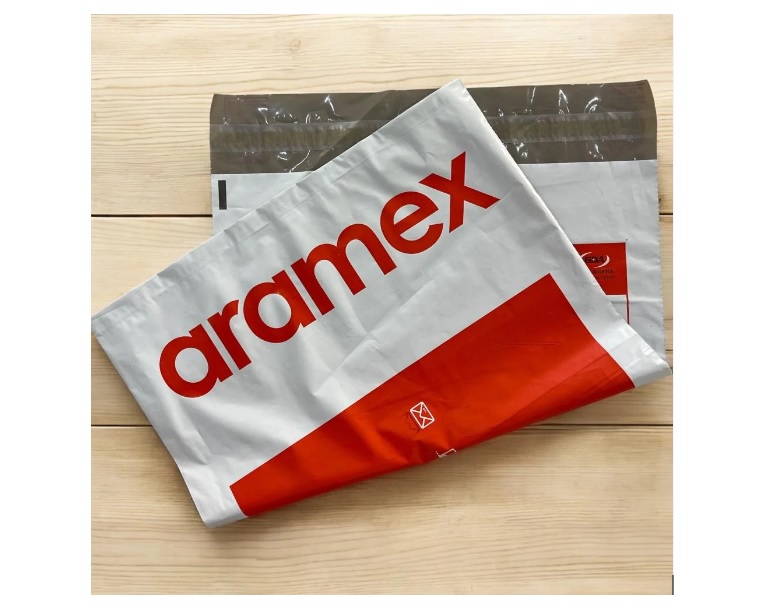
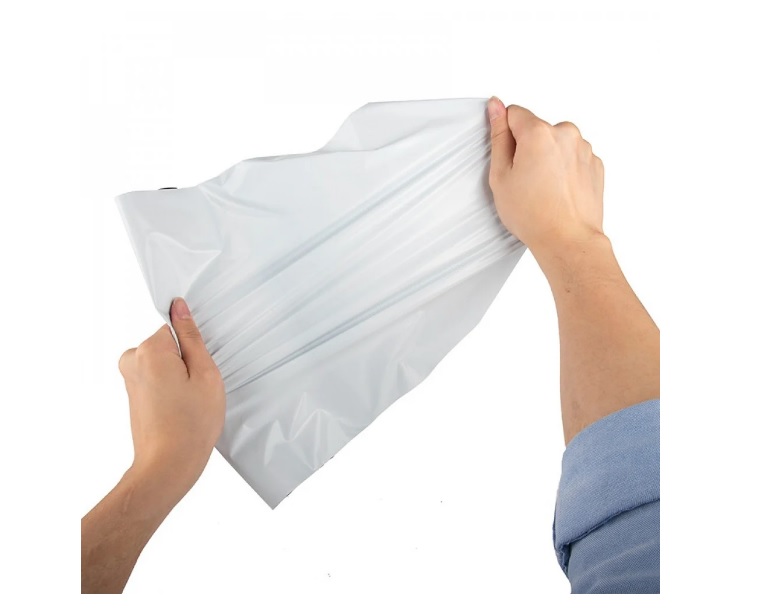
There are two types of shipping and parcel bags:
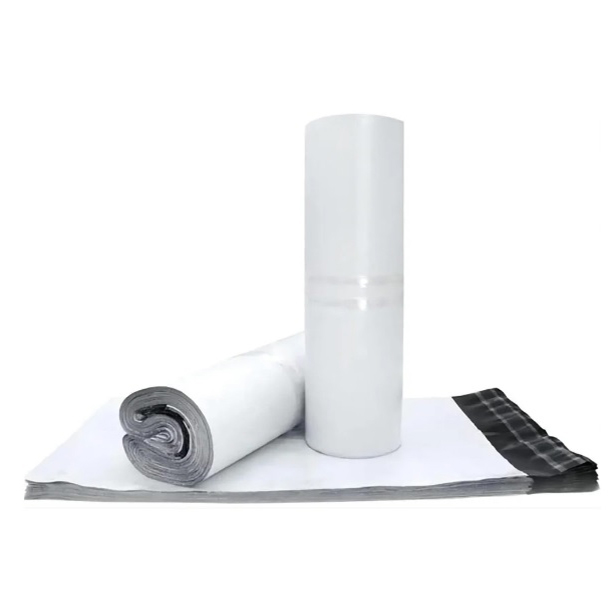
Flyers are lightweight.
Nylon bags are cheaper than flyers but offer the same quality.
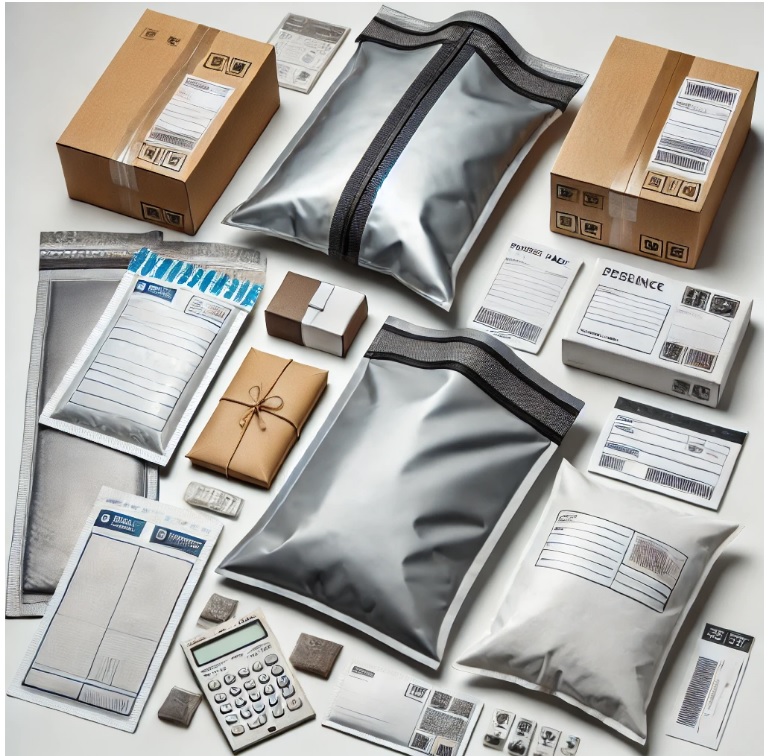
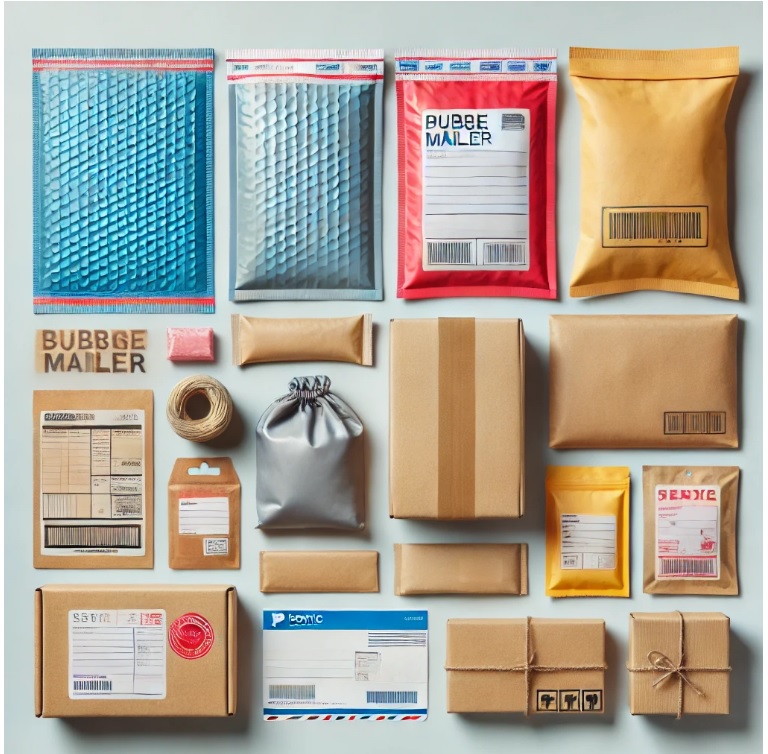
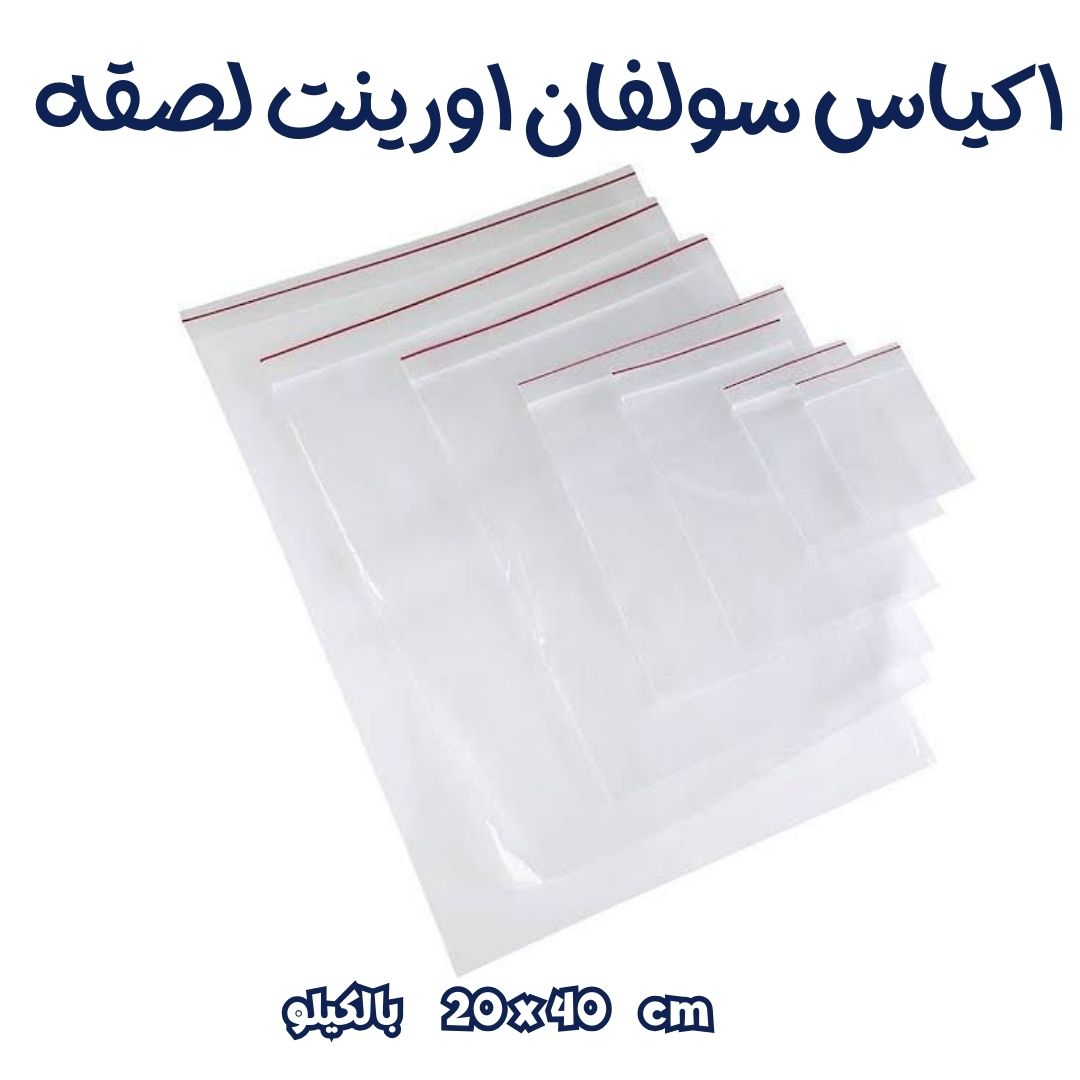
These bags are specially designed to package and protect products during shipping and transportation by mail or courier companies. They are usually made from durable materials such as multi-layered polyethylene or environmentally friendly materials, and are known for their ability to withstand harsh conditions during transportation.
Properties of Shipping and Mailing Bags:
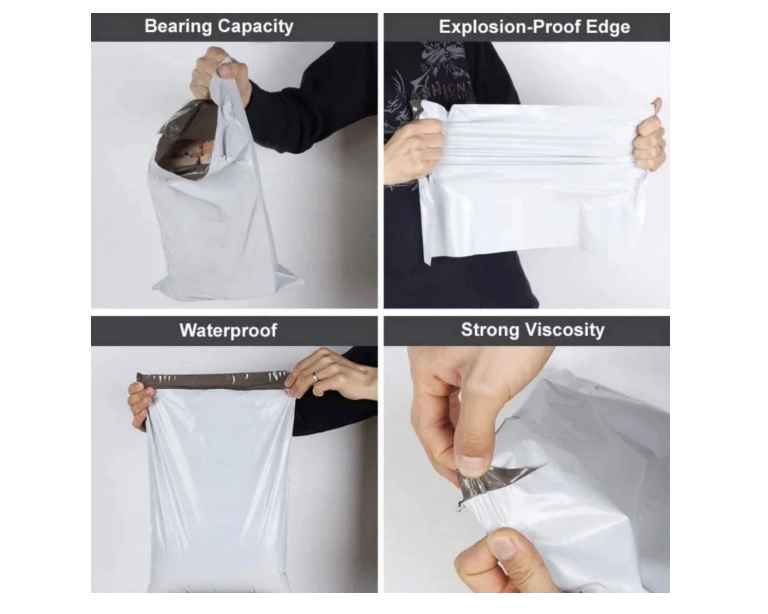
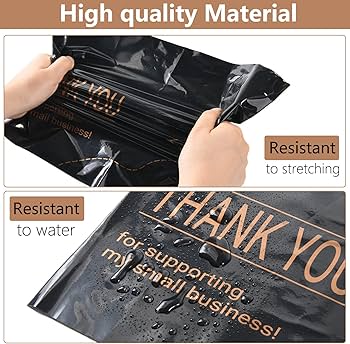
Durability: Resistant to tears and punctures to ensure contents are protected.
Environmental Resistant: Protects against moisture, dust, and dirt.
Lightweight: Made with lightweight materials to reduce shipping costs.
Secure Design: They usually have self-sealing adhesive or security locks to ensure extra protection.
Printable: Can be customized with logos or trademarks to market products.
Variety of Sizes: Available in multiple sizes and shapes to suit a variety of product types.
Uses of Shipping and Mailing Bags:
Shipping clothing, books, electronics, and accessories.
Packaging products sold online.
Delivering important documents.
Its advantages:
Provides protection for contents during transportation.
Helps improve customer experience when receiving products in good condition.
An economical option for packaging products compared to cardboard boxes.